Fighting food waste.
Connecting Europe's food supply chain.
Since 2008, we've been building the infrastructure for surplus food to move efficiently — from manufacturer to buyer, across borders, with trust built in at every step.

Born out of a crisis.
Built to last.
In 2008, as the European financial crisis hit hard, a different kind of crisis was quietly unfolding in the food industry. Manufacturers were sitting on surplus stock they couldn't move. Buyers couldn't find affordable supply. The system wasn't working.
Our founder Jewgeni Kazatchkov, based in Berlin, saw a gap that needed bridging — not just a marketplace, but a smarter way to connect both sides of the food industry with transparency and reliability at its core.
What started as a simple concept has grown into a pan-European B2B platform that fundamentally changed how surplus food is traded — reducing waste, creating value, and building lasting relationships across the continent.
During the EU economic crisis — connecting surplus food sellers with buyers who needed affordable supply.
We physically stored goods before redistributing them. Effective, but slow and expensive for everyone involved.
Goods move straight from seller to buyer. Faster delivery, lower cost — and critically: longer shelf life.
Automated pricing, transport cost calculator, two-sided protection — operating from Germany, Hungary and Ukraine.
Surplus food is not waste. It's opportunity.
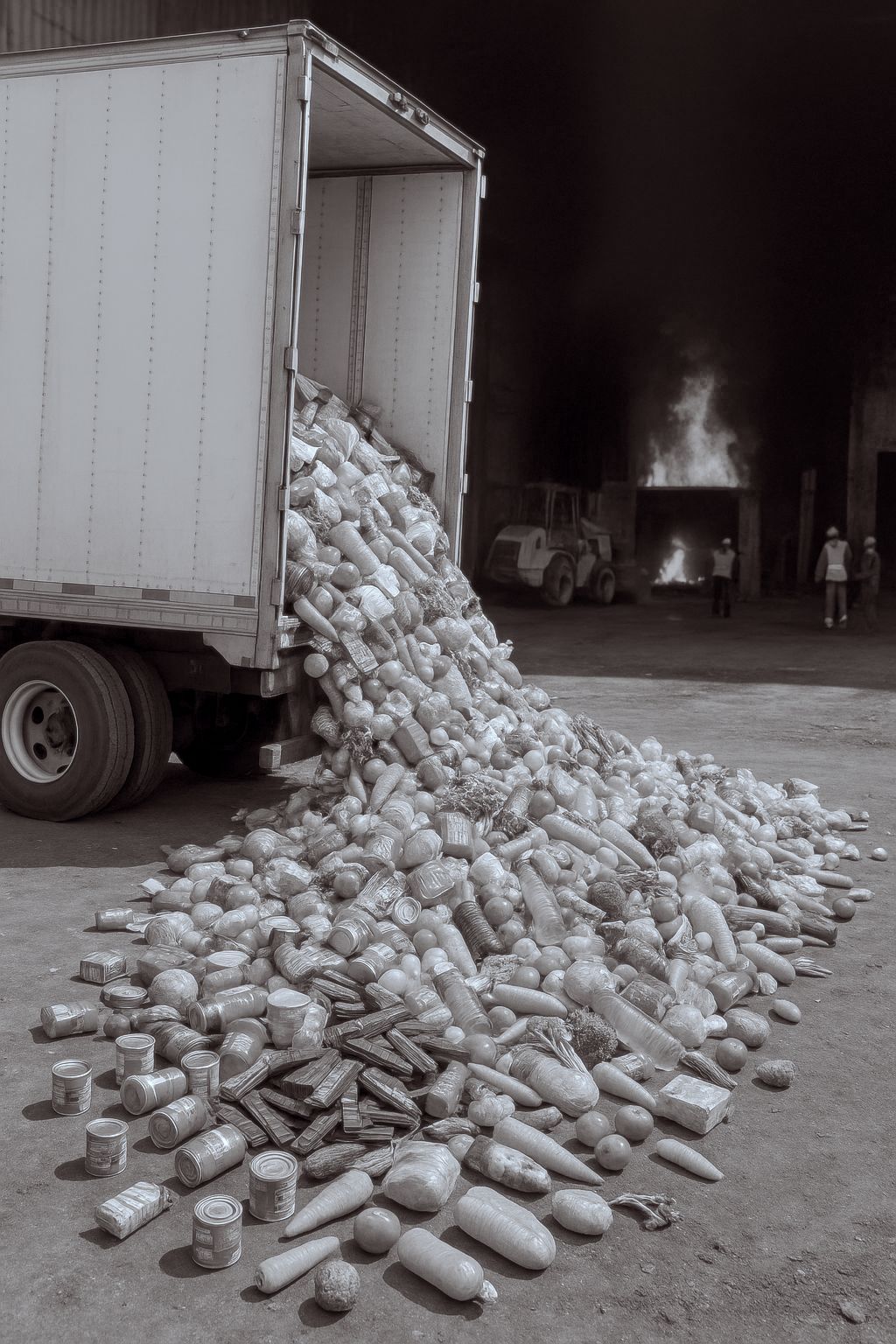
Every year, 30 million tonnes of food are wasted across the European Union. Most of it isn't spoiled — it's surplus. Overproduction, packaging changes, short best-before dates, seasonal fluctuations. The food is perfectly good. It just needs to find a buyer.
That's exactly what Food-Stock does. We believe that efficient markets reduce waste. Every transaction on our platform is a small win against food waste — and collectively, those wins add up.
A better way to move surplus food
- ✕Goods stored in warehouse — adding time before reaching the buyer
- ✕Extra handling steps reduce shelf life of the product
- ✕Higher costs for both sellers and buyers
- ✕Less transparency — multiple parties between source and sale
- ✓Goods go directly from seller to buyer — no middleman storage
- ✓Longer shelf life preserved — goods arrive fresher
- ✓Lower costs through AI-powered transport optimization
- ✓Full transparency — both sides always know exactly what they're getting
Protection on both sides of the deal
- ✓Buyers are pre-vetted — no unreliable or unknown counterparties
- ✓Control which channels your product enters — brand protection built in
- ✓Automated processes mean less admin, more deals closed
- ✓AI-assisted pricing so you never leave money on the table
- ✓All listings are verified — no misleading product info or outdated stock
- ✓No need to chase sellers for updates — our system keeps you informed
- ✓Instant transport cost calculator — know your total cost before you buy
- ✓Access to 40,000+ manufacturers across Europe in one place
Present across Europe
Our founding home and European headquarters — where it all started in 2008.
Central European operations hub — connecting buyers and sellers across the region.
Eastern European presence — expanding our network and capabilities further east.
Ready to trade smarter?
Selling surplus or sourcing quality food across Europe — Food-Stock has the network, the tools and the experience.